E-commerce Digital Marketing Strategy: 8 Ways to Drive Yourself to Think Outside-the-Box

Introduction:

In the fast-paced, ever-evolving world of e-commerce, standing out from the competition is crucial to achieving long-term success. With an abundance of online retailers vying for the same customers, it’s no longer enough to rely on traditional digital marketing tactics. To truly captivate your audience and build a loyal customer base, you need to embrace innovative and cutting-edge strategies that make your brand unforgettable.

That’s where thinking outside the box comes in. By pushing the boundaries of conventional marketing wisdom and exploring uncharted territory, you’ll differentiate your e-commerce brand and create memorable and engaging customer experiences. In this article, we’ll look at eight innovative digital marketing strategies that can inspire you to reevaluate your approach, present you with new opportunities, and propel your e-commerce business to whole new heights. Are you willing to rethink how you do digital marketing? Commence now!

  • Use of user-generated content (UGC):

    UGC is a very useful weapon in your arsenal for digital marketing. By encouraging people to create and share content related to your business, you may create dependable, fascinating, and authentic marketing materials. When using UGC, keep the following in mind:

    • Create hashtag campaigns that incentivize customers to share photos, videos, or reviews of your products
    • Develop contests or giveaways that encourage customers to share their experiences with your brand
    • Highlight and reshare the best UGC on your social media channels, website, or email newsletters, giving credit to the original creators
  • Utilize influencer marketing creatively:

    Influencer marketing has proven to be a powerful tool in driving engagement and sales for e-commerce brands. To get the most out of your collaborations, think beyond traditional sponsored posts and consider these innovative approaches:

    • Partner with influencers for product development or limited-edition collections, giving their followers a unique reason to engage with your brand
    • Invite influencers to host live events, Q&A sessions, or takeovers on your social media channels, fostering a deeper connection between their audience and your brand
    • Experiment with long-term partnerships that allow influencers to become true brand ambassadors, sharing their genuine passion for your products over time

    Market statistics and data points:

    1. Global e-commerce sales are projected to reach $5.4 trillion in 2022, highlighting the growing importance of digital marketing strategies for e-commerce businesses (Source: eMarketer).
    2. According to a report by Statista, influencer marketing is expected to grow to an industry worth $13.8 billion in 2021, emphasizing the power of influencers in driving engagement and sales for e-commerce brands.
    3. A survey by Salesforce found that 62% of customers expect personalized offers and experiences from companies, underlining the importance of personalization in digital marketing strategies.
  • Experiment with new marketing channels and platforms:

    Emerging marketing channels offer untapped potential for reaching and engaging with your target audience. Keep an eye out for innovative platforms and technologies, and be willing to experiment with them. Some ideas include:

    • Exploring the use of social commerce features, such as Instagram Shopping or Pinterest’s Buyable Pins, to enable seamless shopping experiences for your customers
    • Creating engaging content on platforms like TikTok or Clubhouse, targeting demographics that are active on these channels
    • Utilizing chatbots and messaging apps like Facebook Messenger or WhatsApp for personalized customer support, promotions, or nurturing leads
  • AI and data analytics can be used to generate personalised marketing campaigns:

    With the aid of these technologies, you may develop very effective marketing campaigns that appeal to your target market. Data insights and tools with AI capability can help you:

    • Create segments of your audience based on their behaviours, preferences, and previous purchases, and then provide each section with offers and content tailored to that segment.
    • Use dynamic content to show customers the deals, articles, or products that are most relevant to them on your website or in email marketing.
    • Use predictive analytics to examine consumer wants, preferences, and behaviour in order to create marketing tactics that are ideally suited to their requirements.
  • Gamification may improve customer experiences:

    Gamification is the process of incorporating game-like elements and rewards into non-game contexts, such as e-commerce, to boost user engagement, loyalty, and satisfaction. By integrating gamification into your customer journey, you can make the shopping experience more enjoyable and interactive, ultimately encouraging repeat visits and purchases. Consider these strategies for implementing gamification in your e-commerce business:

    • Design a loyalty program that rewards customers for various actions, such as making purchases, referring friends, or leaving reviews, and offer exclusive discounts, gifts, or access to special events as incentives
    • Create interactive quizzes or product finders that help customers discover the perfect product for their needs, while also gathering valuable insights into their preferences
    • Develop branded mini-games or challenges that entertain customers and showcase your products in a fun and engaging way, offering discounts or rewards for high scores or completion
    • Use progress bars, badges, or leaderboards to encourage friendly competition and motivate customers to achieve specific goals, such as completing their profile, sharing content, or participating in community discussions
    • Implement personalized, milestone-based rewards that recognize customers for their ongoing support and loyalty, celebrating achievements such as their first purchase anniversary, a specific number of orders, or a referral milestone

    Market statistics and data points:

    1. The global gamification market is projected to grow at a CAGR of 27.4% from 2021 to 2028, reaching $58.77 billion by 2028, highlighting the increasing significance of gamification in customer engagement (Source: Grand View Research).
    2. According to Gartner, by 2022, 70% of customer interactions will involve emerging technologies such as AI and AR, further emphasizing the need for e-commerce brands to adapt and adopt these technologies in their marketing strategies.
  • Master the art of captivating storytelling:

    The power of storytelling lies in its ability to evoke emotions, build connections, and create memorable experiences. By mastering the art of captivating storytelling, you can make your e-commerce brand resonate with your audience on a deeper level and foster lasting relationships. Consider these tips when crafting your brand narratives:

    • Determine your brand’s unique selling propositions and incorporate them into captivating narratives that highlight the utility and advantages of your items.
    • Explain your brand’s history, including its beginnings, mission, and values, to assist people comprehend and identify with your goals. Use a consistent brand voice and message that reflects your brand’s personality and values to make your content more relevant and real. Feature customer success stories to show how your products have improved people’s lives.
    • Include multimedia components in your tale by using audio, video, photos, and interactive features.
  • Utilise experiences in virtual reality (VR) and augmented reality (AR):

    Exciting prospects for e-commerce firms to improve the customer experience are provided by AR and VR technologies. These technologies can be incorporated into your marketing approach in order to:

    • Create virtual showrooms or fitting rooms, allowing customers to visualize your products in their homes or on their bodies before making a purchase
    • Develop immersive branded experiences or games that engage customers and showcase your products in unique and memorable ways
    • Use AR features in your mobile app or website to provide interactive product demonstrations or tutorials, helping customers better understand how your products work

  • Collaborate with complementary brands for co-marketing efforts:

    Strategic partnerships can greatly amplify your marketing efforts, allowing you to reach new audiences and enhance your brand’s reputation. When considering co-marketing opportunities, keep these tips in mind:

    • Identify brands that share a similar target audience and complementary products or services, ensuring a natural fit for both parties
    • Develop joint promotions, events, or content that provide value to both brands’ customers, such as bundle deals, co-branded products, or educational webinars
    • Leverage each brand’s strengths and resources, including email lists, social media channels, and marketing expertise, to maximize the reach and impact of your co-marketing efforts

Conclusion

By experimenting with these outside-the-box ideas, you can elevate your e-commerce digital marketing efforts and make a lasting impact on your audience. Embrace innovation and creativity to stand out in the crowded online retail space and drive success for your business. Remember to share this article with your colleagues and connections. If you need tailored digital marketing solutions to propel your e-commerce business to new heights, reach out to Skyram Technologies today. We’re here to help you think outside the box and achieve your marketing goals. Happy marketing!
Top 10 Worst Branding Mistakes to Avoid in the D2C Industry in India

Introduction

In the rapidly growing Direct-to-Consumer (D2C) industry in India, branding plays a crucial role in attracting customers and setting businesses apart from their competitors. With the right branding strategy, companies can create lasting impressions and foster long-term relationships with their audience. However, several branding mistakes can hamper their growth and success. This article outlines the top 10 worst branding mistakes to avoid and provides actionable advice to help D2C businesses thrive in the competitive Indian market.

Mistake #1: Inadequate Understanding of the Target Audience

One of the most common branding mistakes is failing to understand the target audience. This can lead to ineffective marketing efforts and missed opportunities. To avoid this mistake, businesses should:

  • Conduct thorough market research to identify their ideal customer profile
  • Analyze customer demographics, preferences, and pain points
  • Regularly engage with their audience to gather insights and adapt their branding accordingly

Mistake #2: Poor or Inconsistent Brand Identity

A strong and consistent brand identity is essential for establishing trust and credibility among consumers. Inconsistencies in visual elements or messaging can confuse the audience and weaken the brand’s appeal. To develop a cohesive brand identity, businesses should:

  • Clearly define their brand’s values, mission, and unique selling proposition (USP)
  • Create a brand style guide that includes guidelines for logos, colors, typography, and other visual colours
  • Ensure all marketing materials, both online and offline, adhere to the brand guidelines

Mistake #3: Neglecting Local Culture and Preferences

Failing to consider local culture and preferences can alienate potential customers and damage the brand’s reputation. To resonate with the Indian audience, businesses should:

  • Research cultural norms, traditions, and preferences specific to their target market
  • Adapt their branding to incorporate local elements, such as language, imagery, and colours
  • Regularly gather feedback from Indian consumers to fine-tune their branding approach

Mistake #4: Ignoring Online Presence and Digital Channels

With the rapid expansion of e-commerce in India, a strong online presence is critical for D2C businesses. Neglecting digital channels can limit brand visibility and hinder growth. To optimize their online presence, businesses should:

  • Develop a user-friendly and mobile-optimized website that showcases their brand identity
  • Utilize social media platforms to engage with their audience and promote their products
  • Invest in search engine optimization (SEO) and content marketing to boost organic traffic

Important Facts:

  1. The Indian e-commerce market is expected to reach $111 billion by 2024, growing at a CAGR of 27% during the 2019-2024 period (Source: IBEF).
  2. The D2C market in India has been experiencing rapid growth, with over 600 new D2C brands launched between 2014 and 2021 (Source: Avendus Capital).
  3. A study by Facebook and Bain & Company predicts that the D2C market in India will account for a 19% share of the total online retail market by 2025, up from a 13% share in 2020.

Mistake #5: Overlooking Customer Feedback and Engagement

Customer feedback is invaluable for refining branding strategies and fostering brand loyalty. Ignoring this feedback can lead to missed opportunities for improvement and disconnect with the audience. To encourage customer engagement and feedback, businesses should:

  • Create opportunities for customers to share their thoughts, such as online reviews or social media comments
  • Actively respond to customer inquiries and concerns, demonstrating a commitment to their satisfaction
  • Regularly analyze feedback and implement changes to address common pain points or requests

Mistake #6: Ineffective or Inappropriate Messaging

Unclear, irrelevant, or offensive messaging can damage a brand’s reputation and deter potential customers. To craft compelling brand messages, businesses should:

  • Develop a clear and consistent brand voice that aligns with their target audience’s preferences and values
  • Tailor their messaging to address customer needs, desires, and pain points
  • Regularly review and update their messaging to ensure it remains accurate and relevant

Mistake #7: Failing to Differentiate from Competitors

In the crowded D2C market, differentiation is crucial for capturing consumer attention and establishing a unique brand identity. To set themselves apart from competitors, businesses should:

  • Identify their unique selling proposition (USP) that addresses a specific customer need or desire
  • Communicate their USP consistently across all marketing channels and touchpoints
  • Continuously innovate and improve their product offerings, services, or customer experiences to maintain a competitive edge

Important Facts:

  1. According to a survey by Qualtrics, 89% of Indian consumers believe that a strong brand is more important than ever, emphasizing the importance of effective branding in the D2C industry.
  2. A report by Edelman Trust Barometer found that 81% of Indian consumers trust a brand based on its values, highlighting the significance of aligning branding strategies with target audience preferences and values.
  3. Research by Forrester indicates that 66% of consumers are likely to switch brands if they feel they are treated as a number instead of an individual, underscoring the importance of personalization and understanding the target audience in branding.

Mistake #8: Inadequate Brand Storytelling

Storytelling is a potent technique for engaging audiences and putting a human face on a brand. Weak emotional connections with customers might result from the failure to create compelling and real brand stories. Businesses should do the following to boost brand storytelling:

  • Develop an engaging brand narrative that emphasises their mission, beliefs, and journey.
  • Share examples of how they have benefited clients, team members, or the neighbourhood.
  • Add aspects of storytelling to marketing content, including blog entries, videos, and social media postings.

Mistake #9: Overpromising and Underdelivering

Overpromising and underdelivering can severely damage a brand’s reputation and trustworthiness. To manage customer expectations and deliver consistent brand experiences, businesses should:

  • Communicate their product offerings, services, and benefits without exaggeration
  • Implement quality control measures to ensure products and services meet or exceed customer expectations
  • Encourage open communication with customers to address any issues or concerns promptly

Mistake #10: Inefficient Brand Monitoring and Evolution

Brands must continually adapt and evolve to stay relevant and competitive in the ever-changing D2C landscape. Failing to monitor and adjust their branding strategies can result in stagnation or decline. To keep their branding fresh and effective, businesses should:

  • Regularly track brand performance metrics, such as awareness, perception, and engagement
  • Conduct periodic competitor analyses to identify trends and opportunities for improvement
  • Remain open to change and embrace new technologies, platforms, and best practices in branding and marketing

Conclusion

By avoiding these top 10 worst branding mistakes, D2C businesses in India can better position themselves for success in the competitive market. With a deep understanding of their target audience, a consistent brand identity, and a commitment to continuous improvement, businesses can foster lasting relationships with their customers and drive growth.

At Skyram Technologies, we understand the unique challenges and opportunities faced by D2C businesses in India. Our digital marketing expertise, combined with our empathetic approach, enables us to provide tailored branding solutions that drive growth and success for our clients.

To learn more about how we can help you prevent branding blunders and grow your D2C business, contact us immediately.

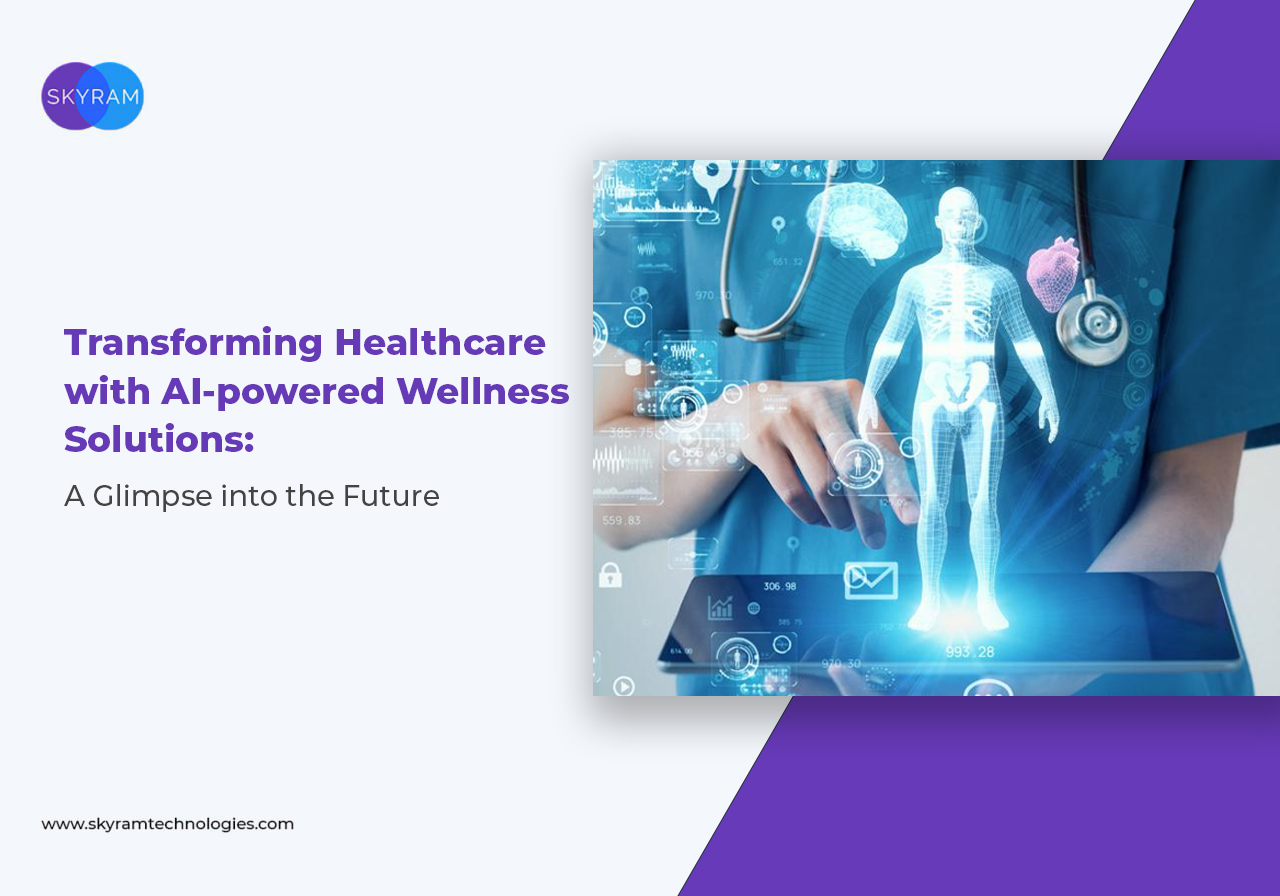
Transforming Healthcare with AI-powered Wellness Solutions: A Glimpse into the Future

The healthcare industry has always been at the forefront of technological advancements, and the rapid emergence of artificial intelligence (AI) is no exception. AI-powered wellness solutions are revolutionizing the healthcare landscape, offering immense potential to transform the way we approach healthcare and wellness. With AI’s ability to process vast amounts of data and extract valuable insights, it has the potential to revolutionize how we diagnose, treat, and prevent diseases. In this article, we will explore the current industry and market size of AI-powered wellness solutions, the challenges in the market, the opportunities driven by AI to solve those challenges, strategies to consider for the future, and market predictions.

Current Industry and Market Size

The global AI-powered wellness solutions market has been experiencing significant growth in recent years. According to a report by Grand View Research, the global AI in healthcare market size was valued at USD 6.8 billion in 2020 and is projected to reach USD 45.2 billion by 2028, with a CAGR of 30.8% during the forecast period. This rapid growth can be attributed to the increasing adoption of AI in various healthcare applications, including diagnosis, treatment, monitoring, drug discovery, and personalized medicine.

One of the key factors driving the growth of the AI-powered wellness solutions market is the rising prevalence of chronic diseases, such as diabetes, cardiovascular diseases, and cancer. Chronic diseases account for a significant portion of the global disease burden and are a major challenge for healthcare systems worldwide. AI-powered wellness solutions offer the potential to detect and manage chronic diseases in their early stages, leading to better patient outcomes and reduced healthcare costs.

Challenges in the Market

Despite the promising potential of AI-powered wellness solutions, there are several challenges that need to be addressed for their widespread adoption. One of the major challenges is the ethical use of AI in healthcare. Issues such as data privacy, security, and bias are critical concerns that need to be addressed to ensure the responsible and ethical use of AI in healthcare. Patient data is sensitive and protected by regulations such as the Health Insurance Portability and Accountability Act (HIPAA) in the United States, and ensuring the privacy and security of this data is of utmost importance.

Another challenge is the need for regulatory frameworks to keep pace with the rapid advancements in AI. As AI-powered wellness solutions continue to evolve, regulations need to be in place to ensure that they meet the required standards for safety, efficacy, and quality. Regulatory bodies need to work closely with the industry to develop guidelines and standards for the development, validation, and deployment of AI-powered wellness solutions.

Furthermore, there is a need for addressing the issue of bias in AI algorithms. Bias in AI algorithms can result in discriminatory outcomes, particularly in areas such as disease diagnosis and treatment recommendations. Ensuring that AI algorithms are trained on diverse and representative datasets and are thoroughly validated for bias is crucial to ensure that AI-powered wellness solutions are fair and unbiased.

Opportunities driven by AI

Despite the challenges, AI-powered wellness solutions offer immense opportunities to address these issues and transform healthcare. One of the key opportunities is in improving the accuracy and efficiency of disease diagnosis. AI algorithms can analyze vast amounts of data, including medical records, imaging studies, and genetic information, to assist healthcare providers in making accurate and timely diagnoses. For example, AI-powered algorithms can analyze mammograms to detect breast cancer in its early stages, leading to better patient outcomes.

Another opportunity is in personalized medicine. AI can analyze an individual’s genetic information, lifestyle factors, and other relevant data to develop personalized treatment plans. This can help healthcare providers deliver targeted and effective interventions, leading to better patient outcomes and reduced healthcare costs.

AI-powered wellness solutions also have the potential to improve patient monitoring and management. With wearable devices and other connected health technologies becoming increasingly popular, AI can analyze real-time data from these devices to monitor patients’ health and provide timely interventions. For example, AI-powered algorithms can analyze data from wearable devices to detect irregularities in heart rate, blood pressure, or glucose levels, and alert healthcare providers or patients themselves for timely interventions.

Moreover, AI can also play a significant role in drug discovery and development. The traditional drug discovery process is time-consuming and costly, with a high rate of failure. AI-powered algorithms can analyze vast amounts of data, including genomic data, molecular data, and clinical data, to identify potential drug candidates and predict their safety and efficacy. This can accelerate the drug discovery process and lead to the development of more effective and safer drugs.

Strategies to Consider for the Future

As AI continues to advance and reshape the healthcare landscape, several strategies need to be considered to harness its full potential. Some of the key strategies for the future of AI-powered wellness solutions in healthcare include:

  1. Collaboration between healthcare providers and technology companies: Collaboration between healthcare providers, researchers, and technology companies is crucial for the development and deployment of AI-powered wellness solutions. Close collaboration can help in understanding the unique needs and challenges of the healthcare industry and developing solutions that are practical, effective, and compliant with regulations.
  2. Ensuring transparency, ethics, and fairness in AI algorithms: Transparent and ethical use of AI algorithms is essential to gain the trust of patients, healthcare providers, and regulatory bodies. Ensuring that AI algorithms are developed, validated, and deployed in a transparent and ethical manner, with a focus on fairness and bias mitigation, is crucial to ensure the responsible use of AI in healthcare.
  3. Investing in data infrastructure and interoperability: Data is the fuel that powers AI algorithms. Investing in robust data infrastructure and ensuring interoperability between different healthcare systems and data sources is crucial for the success of AI-powered wellness solutions. This can enable seamless data sharing, data integration, and data analysis, leading to better insights and outcomes.
  4. Continuous validation and improvement of AI algorithms: AI algorithms need to be continuously validated and improved to ensure their accuracy, safety, and efficacy. Regular validation of AI algorithms against diverse and representative datasets can help in identifying and mitigating biases, improving accuracy, and enhancing performance.
  5. Focusing on patient-centric care: Patient-centric care should be at the core of AI-powered wellness solutions. Ensuring that AI technologies are designed and deployed in a way that empowers patients, respects their privacy, and provides personalized care is crucial for the success of AI-powered wellness solutions.

Market Predictions

The future of AI-powered wellness solutions in healthcare looks promising, with significant growth expected in the coming years. According to market research reports, the global AI in healthcare market is projected to reach USD 45.2 billion by 2028, with a CAGR of 30.8% during the forecast period. AI-powered wellness solutions are expected to play a significant role in transforming healthcare in the following areas:

  1. Disease diagnosis and treatment: AI-powered algorithms are expected to play a crucial role in improving the accuracy and efficiency of disease diagnosis and treatment, leading to early detection and better patient outcomes.
  2. Personalized medicine: AI-powered wellness solutions are expected to enable personalized medicine by analyzing individual’s data and developing targeted treatment plans.
  3. Remote patient monitoring: AI-powered technologies are expected to play a significant role in remote patient monitoring, allowing healthcare providers to monitor patients’ health in real-time and provide timely interventions.

  1. Drug discovery and development: AI-powered algorithms are expected to accelerate the drug discovery process, leading to the development of more effective and safer drugs.
  2. Patient engagement and empowerment: AI-powered wellness solutions are expected to empower patients by providing them with personalized information, insights, and tools to actively manage their health and wellness, leading to improved patient engagement and empowerment.
  3. Telemedicine and virtual care: AI-powered technologies can enhance telemedicine and virtual care by providing remote diagnostics, personalized treatment plans, and virtual health coaching, enabling patients to receive high-quality care without the need for physical visits to healthcare facilities.
  4. Population health management: AI-powered wellness solutions can analyze population-level data to identify trends, patterns, and risk factors, leading to more effective population health management strategies and interventions.
  5. Health insurance and reimbursement: AI-powered technologies can improve the accuracy of health insurance claims processing, fraud detection, and reimbursement decisions, leading to more efficient and streamlined processes.
  6. Mental health and well-being: AI-powered wellness solutions can also play a significant role in improving mental health and well-being by analyzing data from wearable devices, social media, and other sources to detect early warning signs of mental health issues and provide timely interventions.

Conclusion

AI-powered wellness solutions have the potential to transform healthcare by improving disease diagnosis and treatment, enabling personalized medicine, enhancing remote patient monitoring, accelerating drug discovery, empowering patients, and optimizing healthcare processes. However, there are challenges to overcome, including regulatory compliance, transparency, ethics, data interoperability, and validation of AI algorithms. By addressing these challenges and adopting strategies such as collaboration, transparency, patient-centric care, and continuous improvement, the future of AI-powered wellness solutions in healthcare looks promising.

As the healthcare industry continues to evolve, it is essential for healthcare providers, researchers, and technology companies to work together to harness the full potential of AI in healthcare. By leveraging AI-powered wellness solutions, we can enhance patient care, improve health outcomes, and create a more efficient and effective healthcare system. The market for AI in healthcare is projected to grow significantly in the coming years, and the future holds immense opportunities for AI to revolutionize the way we approach healthcare and wellness. With responsible and strategic implementation, AI has the potential to shape a brighter future for healthcare, leading to better health outcomes and improved quality of life for patients around the world.

Dental SEO Expert: The Best Practice To Get Connected With More Patients

Almost all of us who are pretty well-known with the techniques of today’s digital marketers are familiar with the term ‘SEO’, but if someone says ‘dental SEO is an outstanding practice’, we will surely laugh at him. But the truth is there is a term called ‘dental SEO’. To be very precise, it simply indicates some strategies that should be followed to push your website up to the top of the search engine result page in order to drive more traffic to your website which ultimately leads to acquiring more patients at your chamber. Sound weird? It may be, but the truth is hiring a Dental SEO service can help a dentist significantly. But a large number of dentists are still in the confusion whether they should adopt it or not, as there is a general grievance about this topic that it drives doctors to become marketing experts, not good dentists who are adept at caring for patients.

This practice is going to be very popular day by day. Many dentists are bringing their services online in order to highlight their specialities and market their services. Just like any other business owner, they are also trying hard to optimise their online presence, retain their current patients and attract new patients and convince them in the right way to choose the services. The trend of using a content marketing strategy in order to gain the maximum number of shares on social media platforms is also popular.

For finding different types of services people usually prefer to conduct a search through search engines like Google or Bing. But people don’t like to look at something which is not placed on the first page of SERP. So, no matter whether you are experienced in your profession or a beginner, you must SEO services for dentists not only to get new patients but also for retaining the present patients. If you are also a dentist and want to know techniques for getting new patients with the help of SEO services you can talk with our dental SEO experts.

What is the prime difference between SEO and Dental SEO?

The importance of gaining top rank on the SERP is undeniable. It increases the possibility of generating clicks and attracting more traffic to a website. The full form of SEO is Search Engine Optimisation and it refers to a method that helps businesses to rank higher in the SERP. SEO services focus on boosting search engine rankings. It includes several methods. Some of them are simple while some are complex. Being a modern-day business, you must largely depend on the assistance of SEO experts and web designers in order to promote the online growth of your business.

The term ‘Dental SEO service’ refers to the exclusive processes of SEO that prioritise the online promotion of the dental practitioner’s website in order to enhance the online visibility of that website along with improving its position in the SERP on Google, Yahoo, or Bing. The optimisation is highly essential as it ultimately leads to the formation of a mobile-friendly and fast-loading website which helps to attract potential patients quickly.

Is dental SEO really have any importance?

Generally, dentists don’t give much importance to SEO marketing as they often find it useless. But now it is high time to think about it. A recent study shows us that 75% of people do not prefer to scroll beyond the first page of a Google search at the time of looking for a new dentist. It has been already proven that dental SEO is quite effective to drive more patients to your practice. To be very true SEO has become the prime backbone of the modern online marketing strategy, especially for dental practices. This trend is clearly indicating that dentists will be compelled to ask help from SEO experts to market their practice during the end of 2023.

As this practice is becoming popular day by day, you must be aware of it because your competitors are ready to invest in it and they will be blessed with the benefits of the SEO services and also will get the best exposure which will make them able enough to attract more patents to their practices. These people will never come to know about your existence. So, it will be wiser for you to invest in dental SEO before your competitors it will provide your practice with the best chances of gaining acquaintances as well as attracting more patients. So, being an active dental practitioner, you must collaborate with the best dental SEO company.

Here we have listed down some of the best advantages of switching to dental SEO.

  • Dental SEO will help your dental practice to gain more trust and credibility with patients. The highest rank of the SERP will compel the people to trust you and they will reach your website with some simple clicks.
  • SEO for dental practice will surely attract more traffic to your website. More traffic will lead to the gain of more opportunities which can be easily converted into your patients. The ultimate result is getting higher quality leads with an improved conversion rate.
  • It is very much effective to find new patients. Gaining new patients by following offline methods are not at all trustable. You will always go through a sense of insecurity. Asking for the assistance of a Dental SEO company will remove all kinds of confusion and insecurities from the roots and you can concentrate more on your practices.
  • This method will also help your patients to find you whenever they feel your need.
  • Switching your dental SEO will lead to a better user experience. Your website become mobile-friendly and it will take less time to load. Apart from this, you will get easy and better site navigation and compelling and alluring content on the website will help to convert the traffic into your potential patients.

How Skyram can help you to get the best SEO services regarding dental practices?

Skyram is one of the leading Dental SEO service-providing companies which focuses on understanding the basics of search engine optimisation at the time of implementing an SEO strategy. You don’t need to be worried. We will help you to focus solely on providing excellent quality patient care.

We have an expert team which consists of professional and industry-trained dental SEO experts who will always keep you ahead of the competition. Our prolonged experience has made us more seasoned to understand the nooks and corners of the SEO service for dental practices. You will be easily able to find new patients without any tension. We know the right ways to reach your targeted audience. Unlike other SEO service-providing companies, we just don’t include some common keywords. We give more stress on including those particular keywords that will significantly help you to optimise your website as well as describe all the services that are provided by you.

We will make your website optimised for local searches because we know that people prefer to look for local service providers. We will help you to target prime prospects with the right local SEO tactics. We follow the easiest way for this. For example to solve this purpose sometimes we the name of your town and nearby towns in your website copy. For different types of issues, we always prefer to take different measures that mark our uniqueness. To improve the visibility in local searches we even register your business on google maps and local directory sites.

For attracting more patients and enhancing search engine visibility we often take the help of blogging. It is one of the best ways to market dental practices. For example, by posting a blog on dental care we start the process of attracting interested people who can be your potential patients. With the general increase in your traffic, your search engine ranking will also improve. Ultimately you will become the first and foremost choice for those people who are actively searching for a dentist in your area.

We add a large number of high-quality links to your website which largely impacts the ranking of your website on the SERP. Not only it will improve your ranking in the search engines, but also it will make you one of the authoritative figures in the dental field. We will provide you with significant help to boost your dental practice in every aspect. If you want to get some excellent dental SEO tips you can contact us.

Summing up

Assisted by a Dental SEO service provider, you will surely become able to achieve a completely new level of success. But always be careful at the time of choosing an SEO company as you invest your hard-earned money and enough time in it. We hope that going through this blog will really help you to gain a better understanding of why dental SEO is so much important for you. For any kind of SEO help, you can contact us. We will be obliged to help you.

Staying Ahead of the Competition: How Indian Edtech Startups Can Thrive in 2023

The Indian education technology (ed-tech) sector has been experiencing rapid growth in recent years, fueled by increasing internet penetration, the growing adoption of smartphones, and the rising demand for online learning solutions, especially during the COVID-19 pandemic. However, with the rising competition in the market, it is crucial for Indian ed-tech startups to constantly innovate and stay ahead of their competitors to maintain their market share and relevance.

Understanding the TAM:

The total addressable market (TAM) of the Indian ed-tech industry is estimated to be around $10 billion and is projected to grow at a CAGR of 39% from 2021 to 2025, reaching $30 billion by 2025. The TAM of the Indian ed-tech industry comprises various segments, including K-12 education, test preparation, higher education, professional skilling, language learning, and online certifications. The K-12 education segment holds the largest share of the TAM, driven by the need for online learning solutions for school students, especially in tier-1 and tier-2 cities. The test preparation segment, including competitive exams like JEE, NEET, and UPSC, also represents a significant portion of the TAM, as the demand for online test preparation has been on the rise among Indian students.

This article will explore key strategies that Indian ed-tech startups can adopt to stay ahead of their competitors in 2023.

  1. Embrace Personalized Learning:

    Personalized learning has become a buzzword in the education industry, and for good reason. It allows students to learn at their own pace, based on their individual learning styles, preferences, and needs. Indian ed-tech startups can stay ahead of their competitors by embracing personalized learning as a core offering. This can be achieved by leveraging advanced technologies such as machine learning, artificial intelligence (AI), and adaptive learning algorithms to create personalized learning paths for students. By providing tailored learning experiences, startups can enhance student engagement, retention, and outcomes, thereby gaining a competitive advantage in the market.

  2. Leverage Gamification:

    Gamification is another powerful strategy that Indian ed-tech startups can use to differentiate themselves from their competitors. By incorporating game elements such as points, badges, leaderboards, and rewards into their learning platforms, startups can make the learning process more enjoyable, interactive, and competitive. Gamification can motivate students to actively participate in their learning journey, set goals, track progress, and compete with their peers, which can ultimately lead to improved learning outcomes. Startups can leverage gamification to create a unique and engaging learning experience, attracting and retaining more students, and outperforming their competitors.

  3. Integrate Augmented Reality (AR) and Virtual Reality (VR):

    AR and VR technologies have gained significant traction in the ed-tech space, offering immersive and interactive learning experiences. Indian ed-tech startups can leverage AR and VR to create virtual classrooms, labs, and simulations that can enhance student engagement, understanding, and retention. For example, startups can use AR and VR to provide virtual field trips, science experiments, and historical simulations, offering students an unparalleled learning experience. By integrating AR and VR into their offerings, startups can differentiate themselves from their competitors, attract more students, and create a competitive edge in the market.

  4. Focus on Skill-based Learning:

    As the job market evolves, there is an increasing demand for skills-based education that prepares students for the workforce of the future. Indian ed-tech startups can stay ahead of their competitors by focusing on skill-based learning rather than traditional rote-based learning. Startups can offer courses and programs that focus on developing in-demand skills such as coding, data analytics, and digital marketing, and soft skills like communication and leadership. By aligning their offerings with the needs of the job market and providing practical, hands-on learning experiences, startups can position themselves as providers of relevant and valuable education, gaining a competitive advantage in the industry.

  5. Collaborate and Partner with Educational Institutions:

    Collaboration and partnerships can be a strategic approach for Indian ed-tech startups to stay ahead of their competitors. Startups can collaborate with educational institutions such as schools, colleges, and universities to integrate their solutions into the curriculum, offer training programs for teachers, or provide supplemental resources for students. By partnering with educational institutions, startups can gain credibility, access a wider student base, and tap into established distribution networks. Such collaborations can help startups stay ahead of their competitors by leveraging the reputation and reach of educational institutions and creating mutually beneficial relationships.

  6. Offer Comprehensive Learning Solutions:

    To stay ahead of the competition, Indian ed-tech startups can differentiate themselves by offering comprehensive learning solutions that go beyond just content delivery. Startups can provide a holistic learning experience that includes features such as assessments, feedback, progress tracking, mentoring, and career guidance. By offering a complete learning solution, startups can add value to students’ education journeys and build a loyal customer base. This can also help in increasing customer retention and word-of-mouth marketing, giving startups an edge over their competitors.

  7. Invest in Quality Content:

    Content is the foundation of any edtech platform, and investing in quality content can be a key differentiator for Indian startups. Startups can create original and engaging content that is relevant, up-to-date, and aligned with the curriculum. They can also leverage user-generated content and partner with renowned educators or institutions to provide high-quality learning resources. By offering unique and valuable content, startups can attract and retain more students, and establish themselves as leaders in the industry.

  8. Prioritize User Experience:

    User experience (UX) plays a crucial role in the success of any digital platform, including edtech. Indian startups can stay ahead of the competition by prioritizing UX and creating user-friendly interfaces that are easy to navigate, visually appealing, and responsive across different devices. Startups can conduct user research, gather feedback, and continuously improve their platforms based on user needs and preferences. A seamless and enjoyable user experience can lead to higher student engagement, retention, and customer satisfaction, giving startups a competitive advantage in the market.

  9. Stay Ahead of Technological Advancements:

    The field of edtech is rapidly evolving, and Indian startups need to stay updated with the latest technological advancements to stay ahead of their competitors. Startups can stay abreast of emerging technologies such as AI, machine learning, blockchain, and big data, and explore how these technologies can be integrated into their offerings to improve learning outcomes. By leveraging cutting-edge technologies, startups can enhance their product offerings, create innovative solutions, and establish themselves as leaders in the industry.

  10. Keep an Eye on Market Trends and Competition:

    To stay ahead of the competition, Indian edtech startups must keep a close eye on market trends and competition. Startups should conduct regular market research, monitor competitor activities, and stay updated with industry news and developments. By understanding the market dynamics, startups can identify opportunities, address gaps, and adapt their strategies accordingly. This can help startups to stay ahead of their competitors by being proactive and responsive to the changing market landscape.

Market Predictions & Key Insights:

  • Continued Growth: the Indian tech industry is expected to grow steadily.
  • K-12 Education Dominance: K-12 education segment remains dominant.
  • Test Preparation and Higher Education: Test preparation and higher education segments to witness steady growth.
  • Professional Skilling and Reskilling: Demand for professional and reskilling courses will rise.
  • Emerging Technologies: AI, ML, VR, and AR play a significant role.
  • Increased Investment and M&A Activity: Continued investment and M&A activity in the industry.
  • Focus on Tier-2 and Tier-3 Cities: Expansion of edtech startups in tier-2 and tier-3 cities.
  • Government Initiatives: Support from government initiatives to drive adoption.
  • Customization and Personalization: Customized and personalized learning experiences to gain prominence.
  • Skill-based Learning: Skill-based learning to gain more traction.

Conclusion:

In conclusion, the Indian ed-tech industry is highly competitive, and staying ahead of the competition is essential for startups to thrive in 2023. By embracing personalized learning, leveraging gamification, integrating AR and VR, focusing on skill-based learning, collaborating with educational institutions, offering comprehensive learning solutions, investing in quality content, prioritizing user experience, staying updated with technological advancements, and keeping an eye on market trends and competition, Indian ed-tech startups can position themselves as leaders in the industry. By constantly innovating, adapting, and providing value-added solutions, startups can gain a competitive advantage and continue to significantly impact the education landscape in India.

Indian Fintech: Growth Story – What to Expect in 2023?

The Indian fintech industry has been on a rapid growth trajectory, disrupting the traditional financial landscape and transforming the way people manage their finances. With advancements in technology, changing consumer behaviour, and supportive government policies, the fintech ecosystem in India is poised for significant growth in 2023 and beyond. In this article, we will explore the opportunities, challenges, strategies, and predictions for the Indian fintech industry in the year 2023.

Inspiring Story: The Rise of Digital Payments in India

One of the most inspiring success stories in the Indian fintech industry is the rise of digital payments. The demonetization drive by the Indian government in 2016 and the subsequent push towards a cashless economy paved the way for a digital payments revolution in the country. Fintech companies, backed by innovative technologies, created user-friendly and secure payment solutions that gained widespread adoption among consumers and merchants alike.

Today, India is one of the fastest-growing digital payments markets globally, with a massive user base and a wide range of payment options, including mobile wallets, UPI (Unified Payments Interface), and other digital payment platforms. The success of digital payments in India has not only fueled the growth of fintech companies but also brought financial inclusion to millions of unbanked and underbanked individuals, transforming the way Indians transact and manage their finances.

Total Addressable Market (TAM) of the Indian Fintech Industry

The Total Addressable Market (TAM) of the Indian fintech industry is projected to be enormous, driven by factors such as increasing internet penetration, growing smartphone adoption, rising disposable incomes, and favourable government policies. According to a report by BCG and Google, the Indian digital payments market alone is expected to reach $500 billion by 2023, while the overall TAM of the Indian fintech industry, including other segments such as lending, insurance, wealth management, and remittances, is expected to be even larger.

Opportunities in the Indian Fintech Industry

The Indian fintech industry presents several opportunities for growth in 2023:

  1. Financial Inclusion: Despite significant progress, a large portion of the Indian population remains unbanked or underbanked. Fintech companies can leverage technology to bridge this gap and provide financial products and services to underserved segments, including rural and remote areas.
  2. Consumer Lending: The demand for credit is growing in India, and fintech companies can tap into this opportunity by providing innovative and accessible lending solutions to individuals and small businesses with limited credit histories.
  3. Insurance and Wealth Management: The insurance and wealth management sectors in India are relatively underpenetrated, presenting opportunities for fintech companies to offer affordable and convenient insurance and investment solutions to consumers.
  4. SMB Financing: Small and medium-sized businesses (SMBs) form the backbone of the Indian economy, and fintech companies can cater to their financing needs by offering customized lending solutions, invoice financing, supply chain financing, and other innovative products.
  5. Technology-driven Financial Products: Fintech companies can leverage emerging technologies such as AI, ML, blockchain, and data analytics to develop innovative financial products and services that offer personalized and seamless experiences to consumers.

Challenges in the Indian Fintech Industry

While the Indian fintech industry presents significant opportunities, it also faces several challenges:

  1. Regulatory Environment: The regulatory environment in India is complex, with multiple regulatory bodies overseeing different aspects of the financial industry. Navigating the regulatory landscape and obtaining necessary licenses and approvals can be time-consuming and challenging for fintech companies.
  2. Security and Privacy: As fintech companies deal with sensitive financial data, ensuring the security and privacy of customer information is of paramount importance. Cyber security threats, data breaches, and privacy concerns are challenges that fintech companies must address to gain and maintain the trust of consumers.
  3. Competition from Traditional Financial Institutions: Established banks and financial institutions are also entering the fintech space and competing with fintech startups. They have existing customer bases, brand recognition, and regulatory advantages, which can pose challenges for fintech companies to establish their market share.
  4. Access to Capital: Fintech companies require significant capital investments to develop and scale their technology, products, and services. Access to funding and capital can be a challenge, especially for early-stage startups or those without a proven track record.
  5. Talent Acquisition and Retention: The fintech industry in India is highly competitive, and attracting and retaining top talent in areas such as technology, data science, and finance can be a challenge for fintech companies, as there is fierce competition for skilled professionals.

Strategies for Success in the Indian Fintech Industry

To stay ahead of the competition and thrive in the Indian fintech industry in 2023, companies can adopt the following strategies:

  1. Innovation and Customer-Centric Approach: Fintech companies need to continuously innovate and develop customer-centric solutions that address the evolving needs of consumers. By leveraging emerging technologies and focusing on user experience, fintech companies can differentiate themselves and create a loyal customer base.
  2. Collaboration and Partnerships: Collaboration and partnerships with banks, financial institutions, and other stakeholders can help fintech companies expand their reach, access resources, and gain credibility. Strategic partnerships can also help fintech companies navigate the complex regulatory environment and accelerate their growth.
  3. Focus on Financial Inclusion: Financial inclusion remains a significant opportunity in India, and fintech companies can prioritize serving underserved segments, such as rural areas, low-income households, and small businesses. Customized solutions that are accessible, affordable, and user-friendly can help fintech companies tap into this massive market.
  4. Data Security and Privacy: Ensuring robust data security and privacy measures are in place is crucial for fintech companies. Building trust with customers by safeguarding their data and complying with data protection regulations can help establish a competitive advantage.
  5. Talent Acquisition and Retention: Attracting and retaining top talent is essential for the success of fintech companies. Building a strong company culture, offering competitive compensation packages, providing opportunities for skill development and career growth, and creating an inclusive and diverse work environment can help fintech companies attract and retain the best talent.

Predictions for the Indian Fintech Industry in 2023

Based on the current trends and market dynamics, here are some predictions for the Indian fintech industry in 2023:

  1. Continued Growth of Digital Payments: The digital payments market in India is expected to continue its rapid growth trajectory, driven by factors such as increased smartphone adoption, government initiatives, and changing consumer behaviour. Fintech companies offering innovative payment solutions are likely to benefit from this growth.
  2. Expansion of Lending and Insurance: The consumer lending and insurance sectors are expected to witness significant growth in 2023, as fintech companies continue to leverage technology to offer affordable and convenient lending and insurance products to consumers.
  3. Consolidation in the Fintech Space: The fintech industry in India is likely to witness consolidation, with larger players acquiring smaller startups or merging to strengthen their market position, expand their customer base, and gain competitive advantage.
  4. Emphasis on Security and Privacy: Data security and privacy will continue to be a top priority for fintech companies in 2023. Companies that invest in robust data security measures and comply with data protection regulations are likely to gain a competitive edge.
  5. Increased Focus on Financial Inclusion: Fintech companies are expected to continue their efforts towards financial inclusion, catering to the needs of underserved segments of the population, such as rural areas, low-income households, and small businesses. This will create opportunities for innovative solutions that enable access to credit, insurance, savings, and investments for these segments.
  6. Rise of Embedded Finance: Embedded finance, which involves integrating financial services into non-financial platforms such as e-commerce, ride-sharing, and social media, is expected to gain traction in 2023. Fintech companies that can successfully integrate their solutions into these platforms are likely to benefit from increased customer engagement and transactions.
  7. Adoption of Emerging Technologies: Technologies such as artificial intelligence, machine learning, blockchain, and biometrics are expected to play a significant role in shaping the future of the Indian fintech industry in 2023. Fintech companies that can leverage these technologies to create innovative and scalable solutions are likely to gain a competitive advantage.
  8. Regulatory Evolution: The regulatory landscape for fintech in India is expected to evolve in 2023, with the government and regulators focusing on ensuring consumer protection, data privacy, and cybersecurity. Fintech companies will need to stay abreast of the regulatory changes and comply with the evolving requirements to operate in the market successfully.

Conclusion

The Indian fintech industry has experienced significant growth in recent years and is poised for further expansion in 2023. With increasing smartphone penetration, changing consumer behaviour, and favourable government initiatives, the fintech sector is expected to continue its growth trajectory. However, fintech companies will also face challenges such as regulatory compliance, competition, data security, and talent acquisition.

To succeed in this dynamic environment, fintech companies need to focus on innovation, customer-centricity, collaboration, and financial inclusion. Emphasizing data security and privacy, adopting emerging technologies, and staying abreast of regulatory changes will also be crucial. Overall, the Indian fintech industry in 2023 presents immense opportunities for growth, and companies that can navigate the challenges and implement effective strategies are likely to thrive and contribute to the continued growth story of Indian fintech.

How Medical Device Manufacturers in India can effectively differentiate their brand in the highly competitive landscape?

The medical device market in India is growing at an impressive rate, with a projected CAGR of 15.8% from 2020 to 2025. This growth is driven by increasing demand for healthcare services, a growing population, and a rising burden of chronic diseases. The COVID-19 pandemic has further accelerated the growth of the market, with demand for medical devices increasing significantly. However, the market is highly competitive, with numerous players vying for market share. In such a scenario, medical device manufacturers must differentiate their brands to stand out and attract customers. Digital transformation can be a powerful tool in this regard, enabling manufacturers to create a unique brand identity and enhance customer engagement. This article will explore how medical device manufacturers in India can effectively differentiate their brands through digital transformation.

Building a Strong Online Presence

In today’s digital age, having a strong online presence is crucial for any business, including medical device manufacturers. A strong online presence can help manufacturers reach a wider audience, showcase their products, and engage with customers. Here are some actionable insights on how manufacturers can leverage digital channels to build a strong online presence:

  • Ensure your website is user-friendly and easy to navigate. Use clear and concise language to describe your products and services, and provide detailed product specifications and images.
  • Use social media to engage with customers and promote your products. Use visuals and videos to showcase your products and highlight their benefits. Encourage customers to share their experiences and feedback on social media.
  • Leverage online marketplaces to expand your reach and increase visibility. Partner with leading online marketplaces such as Amazon, Flipkart, and Snapdeal to showcase your products and reach a wider audience.

Personalizing the Customer Experience

Personalization is key to enhancing customer engagement and loyalty. Medical device manufacturers can leverage digital tools such as customer relationship management (CRM) software and artificial intelligence (AI) to offer personalized experiences to their customers. Here are some actionable insights on how manufacturers can personalize the customer experience:

  • Use CRM software to track customer interactions and preferences, and use this data to offer personalized product recommendations and promotions. For example, if a customer has purchased a glucose meter, you can recommend related products such as test strips and lancets.
  • Leverage AI to provide customized support and services to customers. For example, you can use chatbots to provide quick and efficient customer service or predictive analytics to anticipate customer needs and provide proactive support.

Embracing E-commerce

E-commerce has emerged as a major channel for medical device sales in India. Medical device manufacturers can leverage e-commerce platforms to reach a wider audience and offer convenient purchasing options to customers. Here are some actionable insights on how manufacturers can embrace e-commerce:

  • Ensure your e-commerce platform is user-friendly and easy to navigate. Use clear product descriptions and images, and provide multiple payment options to make the purchase process seamless.
  • Leverage customer reviews and ratings to build trust and credibility. Encourage customers to leave reviews and ratings of your products, and use this feedback to continuously improve and enhance your product offerings.
Source: India Brand Equity Foundation

Focusing on Product Innovation

In a highly competitive market, product innovation is crucial for differentiation. Digital tools such as 3D printing and virtual prototyping can enable manufacturers to develop innovative products that meet the evolving needs of customers. Here are some actionable insights on how manufacturers can focus on product innovation:

  • Conduct market research to identify gaps and opportunities in the market. Use digital tools such as online surveys and focus groups to gather customer feedback and insights.
  • Use digital tools such as 3D printing and virtual prototyping to develop innovative products that meet customer needs. For example, you can use 3D printing to create customized prosthetics or virtual prototyping to test the usability of medical devices.
  • Leverage customer data and feedback to continuously improve and enhance your product offerings.

In 2020, the Indian government introduced the Production Linked Incentive (PLI) scheme, which offers financial incentives to medical device manufacturers to boost domestic production and reduce import dependency. (Source: The Economic Times)

Harnessing the Power of Data Analytics

Data analytics can provide valuable insights into customer behaviour and preferences, enabling manufacturers to make data-driven decisions and improve their product offerings. Here are some actionable insights on how manufacturers can harness the power of data analytics:

  • Use analytics tools to track customer behaviour and preferences. For example, you can track website traffic and engagement, social media interactions, and e-commerce sales data.
  • Use this data to identify trends and patterns in customer behaviour, and use these insights to make data-driven decisions. For example, if you notice a surge in demand for a particular product, you can allocate more resources towards manufacturing and marketing that product.
  • Use data analytics to improve supply chain efficiency and reduce costs. For example, you can use analytics tools to optimize inventory levels and streamline the procurement process.

Developing a Strong Brand Identity

Developing a strong brand identity is crucial for differentiation in a competitive market. A strong brand identity can help manufacturers stand out and attract customers. Here are some actionable insights on how manufacturers can develop a strong brand identity:

  • Define your company’s values and mission, and use this as the foundation for your brand identity. Develop a unique brand personality that reflects your company’s values and mission.
  • Use branding and design software to create a consistent visual identity across all digital channels. Use colours, typography, and imagery to create a visual identity that resonates with customers.
  • Leverage storytelling and content marketing to build a strong brand narrative that resonates with customers. Use customer stories and case studies to showcase the impact of your products on people’s lives.

Offering Exceptional Customer Service

Exceptional customer service is key to building trust and loyalty with customers. Digital tools such as chatbots and online support portals can enable medical device manufacturers to provide quick and efficient customer service. Here are some actionable insights on how manufacturers can offer exceptional customer service:

  • Implement chatbots and online support portals to provide quick and efficient customer service. Ensure your customer service team is well-trained and equipped to handle customer inquiries and complaints.
  • Use customer feedback to continuously improve and enhance your customer service offerings. Collect feedback through surveys, social media, and other channels, and use this feedback to make data-driven decisions and improve the customer experience.

Conclusion

In conclusion, digital transformation can be a powerful tool for medical device manufacturers in India to effectively differentiate their brands in a highly competitive landscape. By building a strong online presence, personalizing the customer experience, embracing e-commerce, focusing on product innovation, harnessing the power of data analytics, developing a strong brand identity, and offering exceptional customer service, manufacturers can create a unique brand identity and enhance customer engagement. With the Indian medical device market projected to grow at a CAGR of 15.8% from 2020 to 2025, differentiation through digital transformation can be a key driver of growth and success for manufacturers in this industry.

Marketing in the Digital Age: How Private Hospitals in India Can Stay Ahead of the Game.

As the world becomes increasingly digital, the healthcare industry is also undergoing a major shift towards digital marketing. With the rise of social media and other digital channels, private hospitals in India are now able to connect with patients in ways that were not possible before. However, this shift also presents challenges for hospitals trying to stay ahead of the game. In this article, we will explore some of the key strategies which can be used by private hospitals in India to succeed in this digital age.

  1. Use Data Analytics to Understand Patient Needs

    Data analytics is another powerful tool that private hospitals can use to understand patient needs and preferences. By analyzing data on patient demographics, health conditions, and behaviours, hospitals can gain valuable insights into what patients are looking for and how they can better serve them. This information can then be used to tailor marketing campaigns to specific patient segments, improving the effectiveness of marketing efforts.

    Actionable Insights:

    • Invest in a data analytics platform that can help you collect, analyze, and interpret patient data.
    • Use patient feedback to identify areas where your hospital can improve, and use this feedback to inform your marketing strategies.
    • Leverage data on patient demographics and health conditions to tailor your marketing campaigns to specific patient segments.
  2. Optimise the Online Presence

    The first step for private hospitals is to build a strong online presence. This means creating a website that is easy to navigate, mobile-friendly, and provides patients with all the information they need to make informed decisions. The website should include details of the hospital’s services, location, doctors, and other key information. Additionally, hospitals should create social media accounts and regularly post engaging content to build a following.

    Actionable Insights:

    • Optimize your website for search engines to ensure that it ranks high in search results when patients search for relevant keywords.
    • Use social media platforms like Facebook, Twitter, and LinkedIn to engage with patients and promote your hospital’s services.
    • Regularly post blogs, articles, and other content that is informative and relevant to your target audience.

  3. Emphasize the Human Touch

    While digital marketing is important, it is also essential for private hospitals to maintain a human touch in their interactions with patients. Patients are more likely to trust and feel comfortable with a hospital that demonstrates empathy and care. This can be achieved by providing personalized care, responding promptly to patient queries, and using patient feedback to improve the patient experience.

    Actionable Insights:

    • Train your staff to provide personalized care to patients, and encourage them to go the extra mile to make patients feel valued and cared for.
    • Use patient feedback to identify areas where your hospital can improve its patient experience, and take steps to address these issues.
    • Ensure that patients can easily reach out to hospital staff with questions or concerns, and respond promptly to patient queries.

  4. Build Strong Partnerships

    Finally, private hospitals should consider building strong partnerships with other healthcare organizations and industry players. By collaborating with other hospitals, clinics, and healthcare providers, hospitals can access new patient segments and expand their reach. Additionally, partnerships with industry players like pharmaceutical companies and medical device manufacturers can provide hospitals with access to new technologies and resources.
    Actionable Insights:

    • Build strong partnerships with other healthcare organizations, clinics, and providers to expand your reach and access new patient segments.
    • Collaborate with industry players like pharmaceutical companies and medical device manufacturers to access new technologies and resources.
    • Consider participating in industry events, conferences, and seminars to build relationships with other healthcare organizations and industry players.
  5. Utilize Social Media to Reach Target Audiences

    Social media is one of the most effective ways to reach out to target audiences. Private hospitals in India can leverage social media to market their services and engage with their patients. The major social media platforms in India include Facebook, Instagram, Twitter, and LinkedIn. It’s important to determine which social media platforms your target audience is most active on and focus on those platforms. One of the key advantages of social media marketing is the ability to target specific demographics. For instance, a private hospital specializing in maternity services can use Facebook ads to target women in their childbearing years. Similarly, a hospital offering cancer treatments can target individuals who are interested in cancer awareness campaigns. This can result in a higher return on investment (ROI) and better patient engagement.

    Actionable Insights:

    • Identify the social media platforms that your target audience is most active on.
    • Create engaging social media content that is relevant to your target audience.
    • Use paid social media ads to target specific demographics and increase ROI.
    • Monitor and respond to comments and messages on social media to build patient engagement.

    Apollo Hospitals has a strong social media presence, with over 1.5 million followers on Facebook and over 700,000 followers on Twitter.

  6. Leverage Online Reviews and Testimonials

    Online reviews and testimonials are important for building trust and credibility in the digital age. Patients often rely on online reviews to choose a hospital or healthcare provider. Private hospitals in India should encourage their patients to leave reviews on platforms like Google, Practo, and Justdial. This can help build a positive online reputation and attract more patients.

    In addition to online reviews, private hospitals can also leverage patient testimonials on their website and social media platforms. This can help prospective patients get a better understanding of the hospital’s services and patient experience.

    Actionable Insights:

    • Encourage patients to leave online reviews on platforms like Google, Practo, and Justdial.
    • Respond to both positive and negative reviews in a timely and professional manner.
    • Use patient testimonials on your website and social media platforms to build trust and credibility.
    • Regularly monitor your online reputation and address any negative feedback.

  7. Focus on Patient Education and Engagement

    Patient education and engagement are critical for building long-term relationships with patients. Private hospitals in India can use digital tools like patient portals, mobile apps, and email newsletters to educate and engage with their patients. This can help improve patient satisfaction and loyalty.

    Patient education can include information on healthcare topics like preventive care, disease management, and healthy lifestyle habits. Patient engagement can include appointment reminders, follow-up surveys, and patient feedback. Private hospitals can improve patient outcomes and reduce healthcare costs by keeping patients informed and engaged.

    Actionable Insights:

    • To educate and engage with patients, utilise digital tools like patient portals, mobile apps, and email newsletters.
    • Provide information on healthcare topics like preventive care, disease management, and healthy lifestyle habits.
    • Use appointment reminders, follow-up surveys, and patient feedback to improve patient satisfaction and loyalty.
    • Monitor patient engagement metrics like email open rates and app usage to optimize patient outreach.

Conclusion

Marketing in the digital age is essential for private hospitals in India to stay ahead of the game. Private hospitals can use digital marketing strategies like search engine optimization, content marketing, and social media marketing to reach their target audiences and build a positive online reputation. In addition, leveraging online reviews and testimonials and focusing on patient education and engagement can help improve patient satisfaction and loyalty.

The healthcare industry is constantly evolving, and private hospitals in India must adapt to these changes to remain competitive. By embracing digital marketing strategies, private hospitals can improve their bottom line and provide better patient care.

SEO Content Writing Services for Improved Customer Retention and Conversions

What is the most crucial element of your website that make your website worth visiting? It is undoubtedly content. Yes, informative and compelling content attracts the maximum number of visitors to a website. Although the other components of a website such as design, visuals, videos etc also play a vital role in attracting and retaining traffic, content is considered to play the dominant role. Earlier, websites were necessary for businesses only to showcase products or services offered by a particular company along with their contact information, but today it has become a string of communication between businesses and audiences. In this changed situation it is essential for businesses to become aware of professional SEO content-writing services, to make audiences mesmerised with alluring words.

The best way to enhance the visibility of a website and drive more traffic to the website is to ask for the assistance of professional content writing services which are well-known for providing alluring content according to SEO guidelines. It also helps the business to grow in a significant way. Apart from attracting and retaining the high flow of traffic, well-written and engaging SEO content also helps to improve the ranking of your business website in the search engines like Google and Bing. Here in this blog, we will discuss how content writing plays a vital role in the growth of your business and why your business must collaborate with one of the best content writing services.

What is called SEO content writing?

The term SEO content writing refers to a very special method of writing content in order to be found easily by search engines. To ensure the appearance of your website in relevant searches, it includes the use of a large number of elements such as keywords, phrases etc. It improves the online visibility of a website in the most significant way. The backbone of digital marketing strategy is the SEach Engine Optimisation service, which is primarily used to improve the ranking of the business online. With the help of SEO services, one can make sure that a business will appear in the top position when people search with specific terms or topics.

SEO content writing is considered one of the most effective ways to optimise a website. It uses high-quality and well-written content that includes specific keywords and phrases that are relevant to the search of people online. The content should be lucid, written in easy language and also should be understood quickly. The use of images is essential as they assist in breaking up the text blocks into smaller parts which increases the readability. So, you can surely understand why a large number of business owners prefer to collaborate with a significant content writing agency.

How content writing impacts the SERP ranking?

SEO content writing has the ability to improve search engine ranking. To determine the ranking of a website on the SERP, the search engines use a specific algorithm which includes some elements like keyword density, backlinks, page loading speed, etc. If you want to get significant improvement in the ranking of your website on SERP, you must take the assistance of well-written and informative content that fulfils all the SEO guidelines.

The targeted keywords that generally remain included in the content will place your website at the top when someone conducts any search related to those keywords. It can also be regarded as one of the most excellent ways of lead generation and also ensure a better-targeted approach to online marketing. Backed by premium quality SEO copywriting, you will also become able to offer an improved user experience, because it ensures easier navigation and averts the probable customers from being engulfed with a large number of baffling menus or unwanted information.

SEO content-writing services enhance the possibility of retaining customers on your website and make them curious to know about your services and also provide effective help in converting traffics into loyal customers. Apart from improvements in the SERP ranking, it also provides a series of advantages starting from increased website traffic to a better user experience or unlocking outstanding ways of lead generation. No matter whether your business is a small start-up or a big one, you must seriously consider the matter of investing in it as early as possible.

What are the different types of SEO content writing?

A business can’t exclude the matter of SEO content writing at the time of preparing a digital marketing strategy. The role of captivating and informative and precise content in increasing website traffic, alluring more customers and upgrading search engine rankings. The entire service of SEO content writing can be divided into several parts. Among them, blog posts, web page copywriting, press releases, and article writing can be mentioned.

The blog post is the most favoured type of service that belongs to the group of SEO content writing. Generally, these are written on a particular topic and provide valuable information to the audience. Generally, relevant keywords are incorporated into it to improve online visibility and enhance their effectiveness.

If you want to create effective web pages for your website, you must take the assistance of webpage copywriting. This type of writing particularly deals with the creation of unique titles, descriptions, headings, meta tags, and other elements that plays a dominant role in optimising the performance of a website in the prime search engines. Collaborating with one of the best providers of content writing services in India will help your business to rank at the top position of the SERP.

There is a specific type of SEO content writing that largely involves the creation of crafting newsworthy stories about a business or product launch. These are called Press Releases. To gain more exposure these are normally published through various types of media outlets such as magazines or newspapers. Apart from attracting customers, these are very much helpful in drawing the attention of the journalists who may find it interesting to cover which will provide more visibility to your business.

Another common type of SEO content writing is Article writing. It normally involves the process of researching specific topics that are directly related to any particular industry. The normal word limit of the article remains between 500 -1000, although it entirely depends on the purpose and the types of information included in it. It is essential to keep it engaging thoroughly so that the raiders don’t find it interesting in the middle and leave it.

Is SEO content writing help local businesses?

Yes, SEO content-writing services can provide excellent advantages to local businesses. It enhances the online visibility of a business and helps it to reach new customers. The primary problems that prevent a local business from growing online are enough website traffic, improved search engine rankings, targeted lead generation, and enhanced user experience. All these problems can be removed with the effective use of services provided by an eminent content-writing service provider.

Various types of SEO content writing such as blog posts, web page copywriting, press releases, and article writing will significantly help a local business to increase website traffic, get more verified leads and improve its ranking in the search engines. To fulfil that purpose, each type of content is optimised with relevant keywords.

How to create effective SEO content?

The secret of creating effective SEO content writing lies in keyword research and writing compelling titles. Not only this but also writing meta descriptions and format text to increase readability is also important. The role of optimized images and videos can never be denied. One should not also neglect the matter of implementing link-building and internal linking strategies. All these things together can contribute to the creation of effective SEO content.

All the best content writing services providers in India also follow the same method. Keyword research is necessary to find out the popular search terms that are related to your topic. Forming alluring titles and meta descriptions will allow you to ensure that the people who are conducting searches online, will surely click on your link on the SERP. Readability is necessary to provide an enjoyable reading experience while the optimised videos and images will add more visual interest to the webpages that compels the audience to stay a little more moments in your web pages.

Wrapping up

The effect of SEO content writing on the SERP ranking of websites is very vast and deep. So at the time of selecting a company to get unique quality content, you must check their quality of work, whether their service is cost-effective or not, their service transparency and most importantly their turnaround time. If you are a local business owner and finding a trustable company to get the best quality SEO content-writing services, you can easily contact us. Associated with our eminent and experienced team of content writers, we will help your business in drawing more attention in search engines.

Webflow Developers in India: Revolutionizing Codeless Website Development

Several design tool add-ons have been invented to smooth out the bumpy road of the designer-developer collaboration. But still, there are countless riddles that make them confused and prevent the free flow of creativity. Numerous website development platforms are available online that can help you to build your company’s website, and a large number of designer prefers to use WordPress.

But there are certain limitations in WordPress that prevents the formation of a creative website. But now designers can express their creativity with the help of no-code visual web design tools premises and easily reject the traditional way of web development. Webflow makes designers free from the constraints of using codes at the time of developing a website and working with the best Webflow developer can make your experience more outstanding.

Several attempts were taken before to break the barrier of using codes at the time of developing a website but none of them was successful like Webflow. Finally, with the invention of Webflow, the aim of a codeless future was achieved and it also provides a sigh of relief to the designers, although it is necessary to research different types of platforms to determine which one will be the best fit for your business. This is essential because each platform has its own advantages and limitations. In a general sense, Webflow is considered the ideal one to build different types of websites without any hassles.

What is Webflow?

Web flow is a type of website-building tool which was launched in 2013. It also serves the purpose of a web hosting platform. It is available online with outstanding features which provide seamless advantages to designers, coders and beginners. Webflow differs from any other website designing platform for its capability to design visually, customise code and host sites. Apart from these, there is also another speciality. It can also be used as a traditional content management system. It can be regarded as one of the most robust platforms that can offer a series of outstanding advantages to users. Almost all well-known web designing company located in India consists of eminent Webflow developers in India.

It easily allows the creation of high-performing websites using just the drag-and-drop interface, because of its no-code feature. It can be considered ideal for building any type of website, but it is always advisable to try other designing tools and website builders before coming to any final decision.

Which type of websites can be perfectly built by using Webflow?

For excellent no-coding features, it can be used to build different types of websites and pages. In general terms, Landing pages, E-commerce sites, blogs and b2b websites can be built perfectly with the help of Webflow. As it also serves the purpose of a hosting platform, and content management system, one can also use it to fulfil those purposes.

What type of advantages is offered by Webflow?

The most popular and well-known advantage of Webflow is that in this platform one can build or develop websites without the use of coding. It means that without having any prior website development skills, one can edit a website without any problem due to the streamlined process. Learning Webflow developer skills is quite easy. The content can be manipulated easily on the page even if it includes any text or images. It offers you an easy controlling system which lets you control which employees of your organisation can make necessary edits to it. It is very convenient to use, can be learnt within a very short time and provides fast results.

Is Webflow not an ideal option for those who know to code?

Absolutely not. It is true that for using Webflow, one does not need to acquire knowledge of coding. But to those who know the art of coding, it offers custom code freedom. So Webflow can be an ideal option for developing websites both for experienced people and beginners. So, if you want to achieve any specific goals by using Webflow, you must hire the best Webflow developer who has coding experience. The best part of using Webflow is that you don’t need to depend on your developers for minimal changes as these minor adjustments can be performed by yourself.

What are the prime programming languages used by Webflow?

All three basic programming languages including HTML, CSS, and JavaScript are used by Webflow to create the codes that are necessary for the formation of all the pages across the internet. It is not necessary for the users to edit all the codes directly and one can also easily avoid the problems like syntax errors and bugs. HTML is generally used to produce the content of a particular page including the titles, paragraphs, buttons and links that are present on a page.

To include various types of functionalities like dropdown menus, or image sliders, and for the addition of more complicated elements like 3D animation effects, generally, Javascript is used. It is also rrsp[onsible for adding interactivity to the websites. CSS primarily determines how all the elements of the content will look after they will be loaded onto the website. In a word, Webflow can offer you excellent flexibility which lets you build a charming website.

Is Webflow can be regarded as a content management system?

Yes, the term ’Content Management System’ refers to the collaboration of a database and software that also helps the users to build a website. Webflow can serve this purpose very well. That is why, it is considered by a large number of Webflow developers in India as one of the most convenient Content Management Systems available online that can be used in the customised ways.

Being an eminent Content Management system it offers a wide range of advantages to users. It allows users to create, edit, update and publish content seamlessly and multiple users can use it at the same time. It entirely rejects the necessity of being eminent in coding languages and provides refined SEO tools and plugins within a very cost-effective budget. The presence of visual design tools makes it very easy to learn. It provides the flexibility to change minor elements without the need for a developer. It can also be used to improve the ranking of your website in prime search engines like Google. It is often considered the best place that allows you to store all your web content in a single place.

Why Webflow e-commerce is often chosen by online retailers?

Online retailers can take the advantage of Webflow’s e-commerce features for selling and organising products through their websites. Webflow E-commerce features offer you pre-made templates that ensure the customisation of your store according to your wishes. With the right5 use of Webflow developer skills, one can integrate many other services. It also helps you to start the process of selling very quickly and will also prove to be helpful for your email marketing campaigns. Backed by the help of Google Analytics, it simplifies the process of e-commerce tracking. One can easily track online traffic and also find out the areas that need immediate improvements.

Is Webflow Good for SEO?

Search Engine Optimisation service which in short is also known as SEO plays a dominant role in determining the ranking of a website. Yes, Webfloe can be a good option for SEO as it includes several features that can help a website to improve its ranking on the SERP. Due to the more stress on the clean code, it offers an easy scan to the Search engine crawlers to make out the content of a website. Collaborated with Google Analytics and Google Search Console, it unlocks many outstanding advantages for the users. A wide range of supporting features provided by Webflow, make the entire process of SEO more advanced which ultimately leads to increased Engagement, Traffic, and Conversions for a website.

Webflow or WordPress; which one is good?

Both these tools are quite popular for developing websites. The most crucial fact is to determine what type of website experience you are searching for. WordPress can give you free services that consist of a variety of features and options that are comparatively simple to use. But Webflow may offer you better features for website building that are comparatively new and with the help of the best Webflow developer you can explore more exciting features. WordPress basically provides community-based support while Webflow will provide you with customised support. The matter of deciding the best one entirely depends on your needs.

Conclusion

Webflow can be the best choice for those businesses which are willing to take the cheap and easy route but also don’t want to lose control of their websites. Unlike many other platforms, it can be considered more convenient as it makes businesses free from the dependency upon the designers for minimal changes.

It is a great option for those who want to develop a website without any previous experience in website design and development. If you are willing to collaborate with the best Webflow developer to make your digital footprint more prominent with the use of Webflow, you can contact us today.